Exhibition
June 26 – August 28, 2026
Al Held Foundation
Boiceville, NY
Julianne Swartz:
Attunements
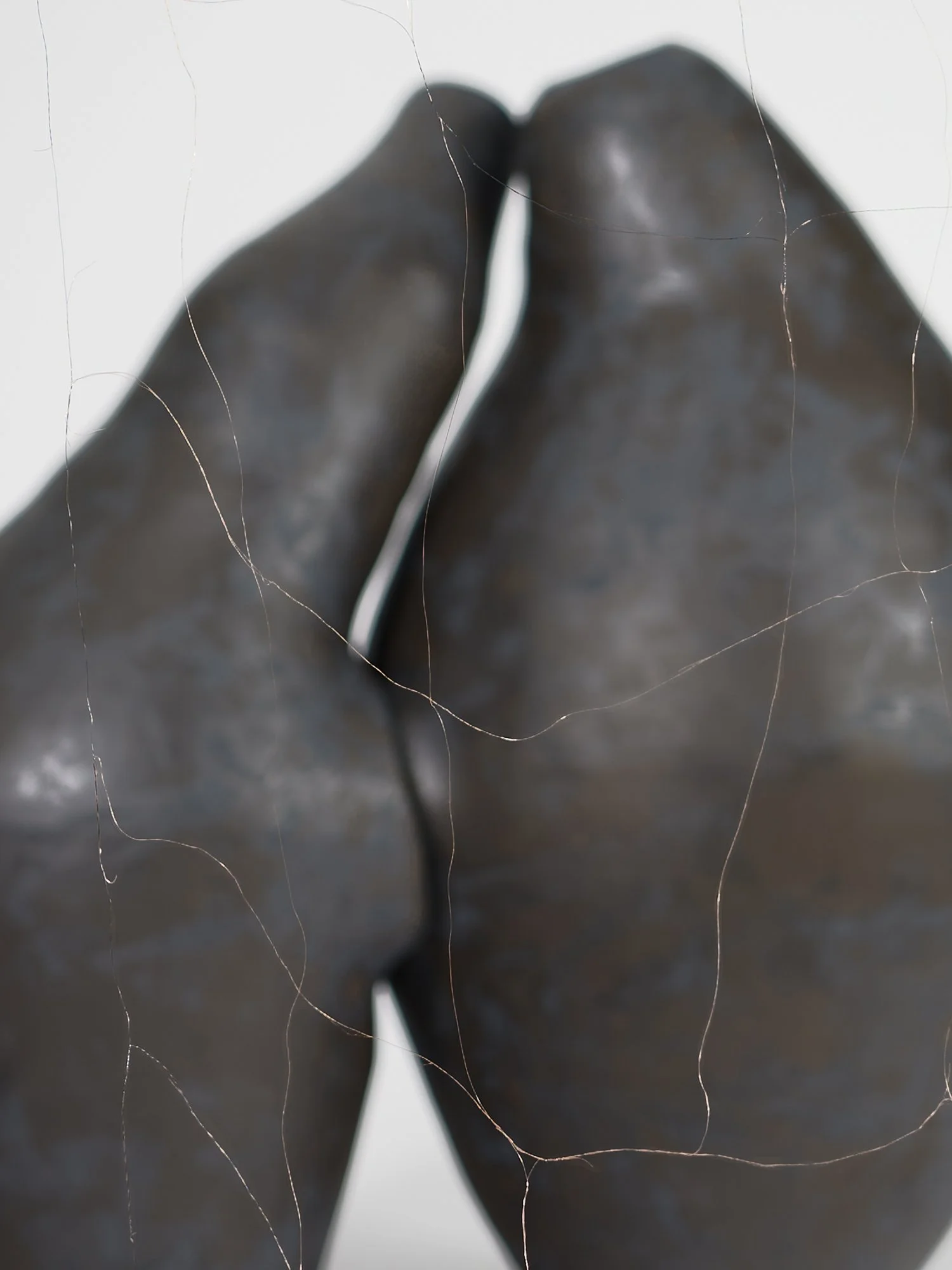
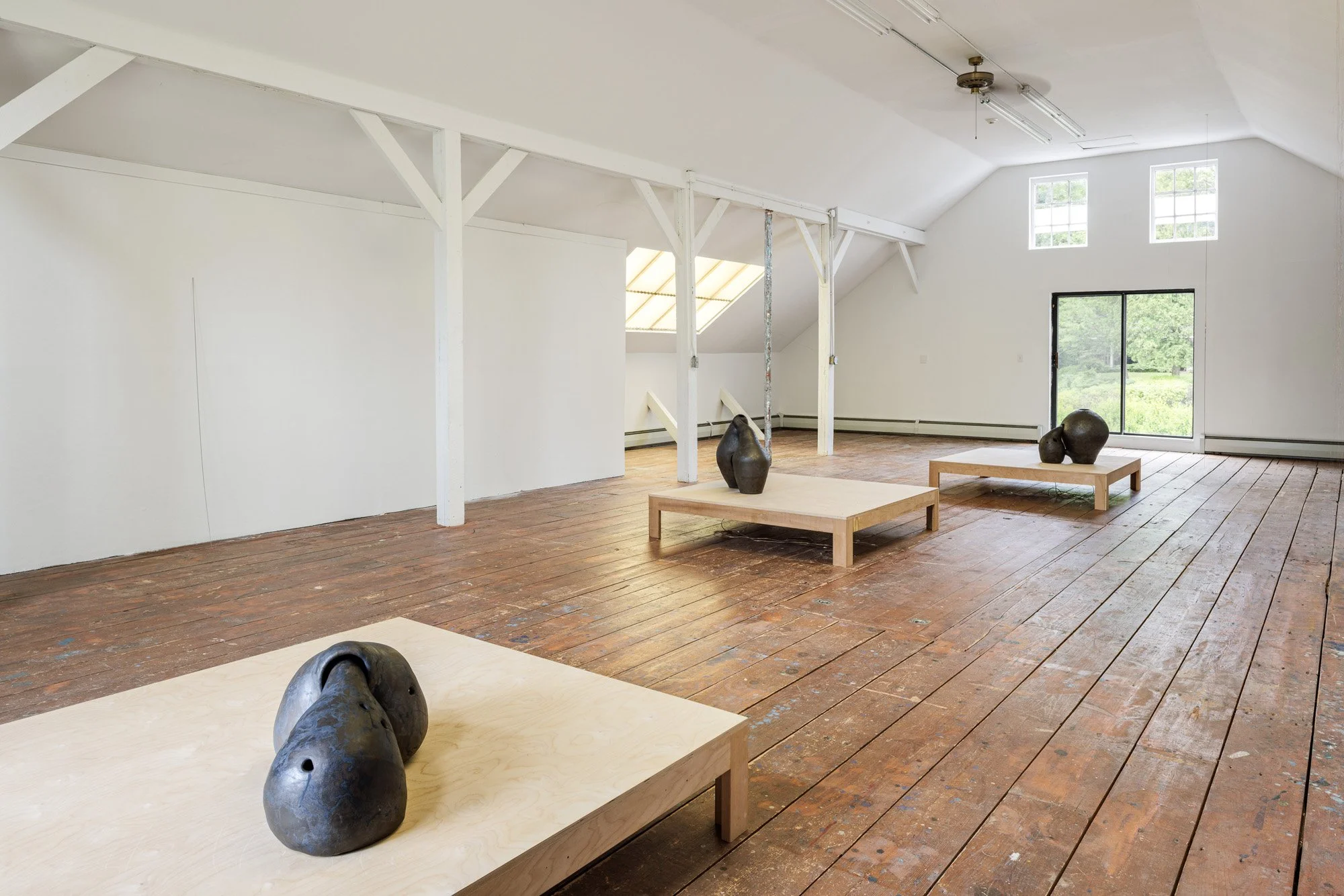
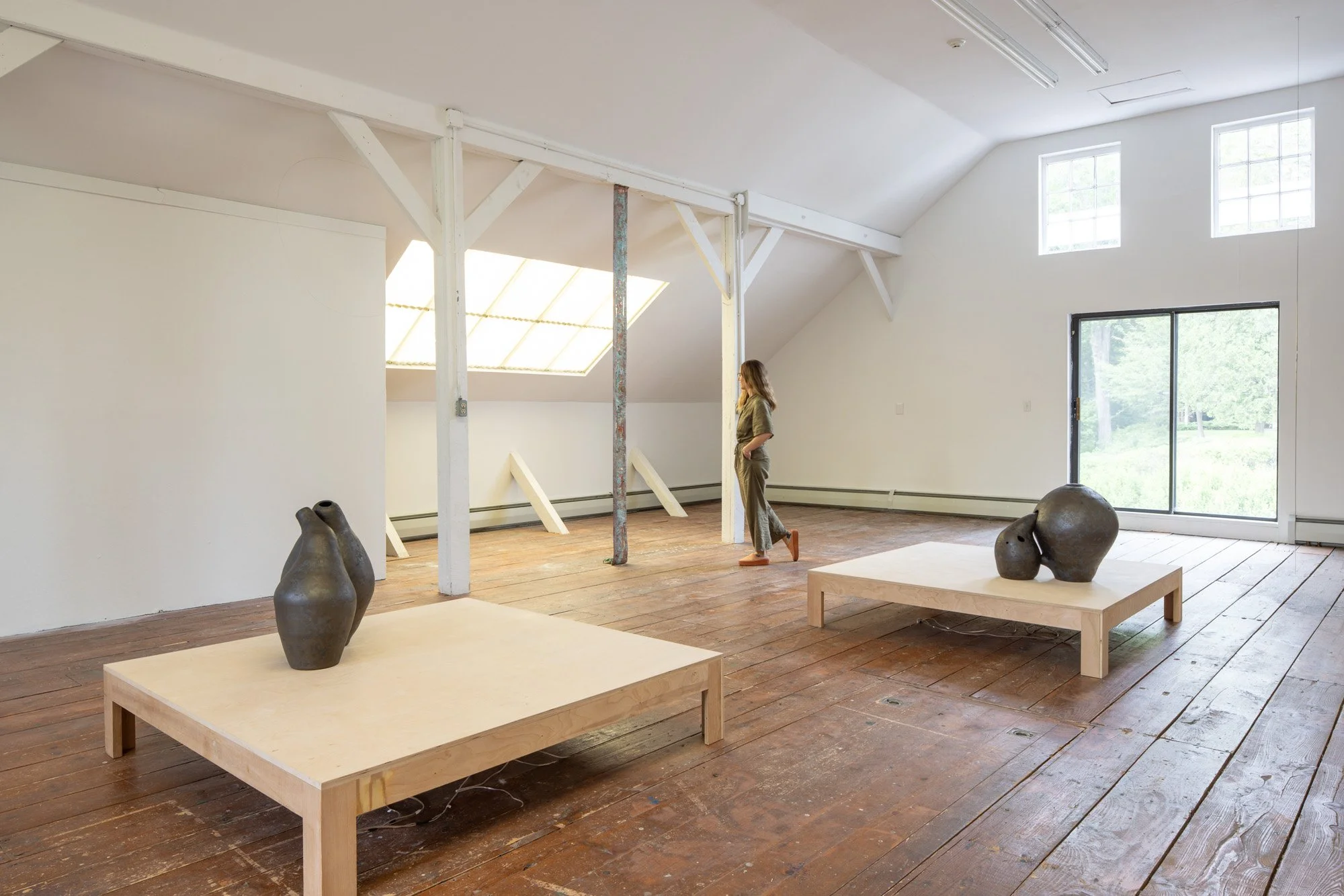
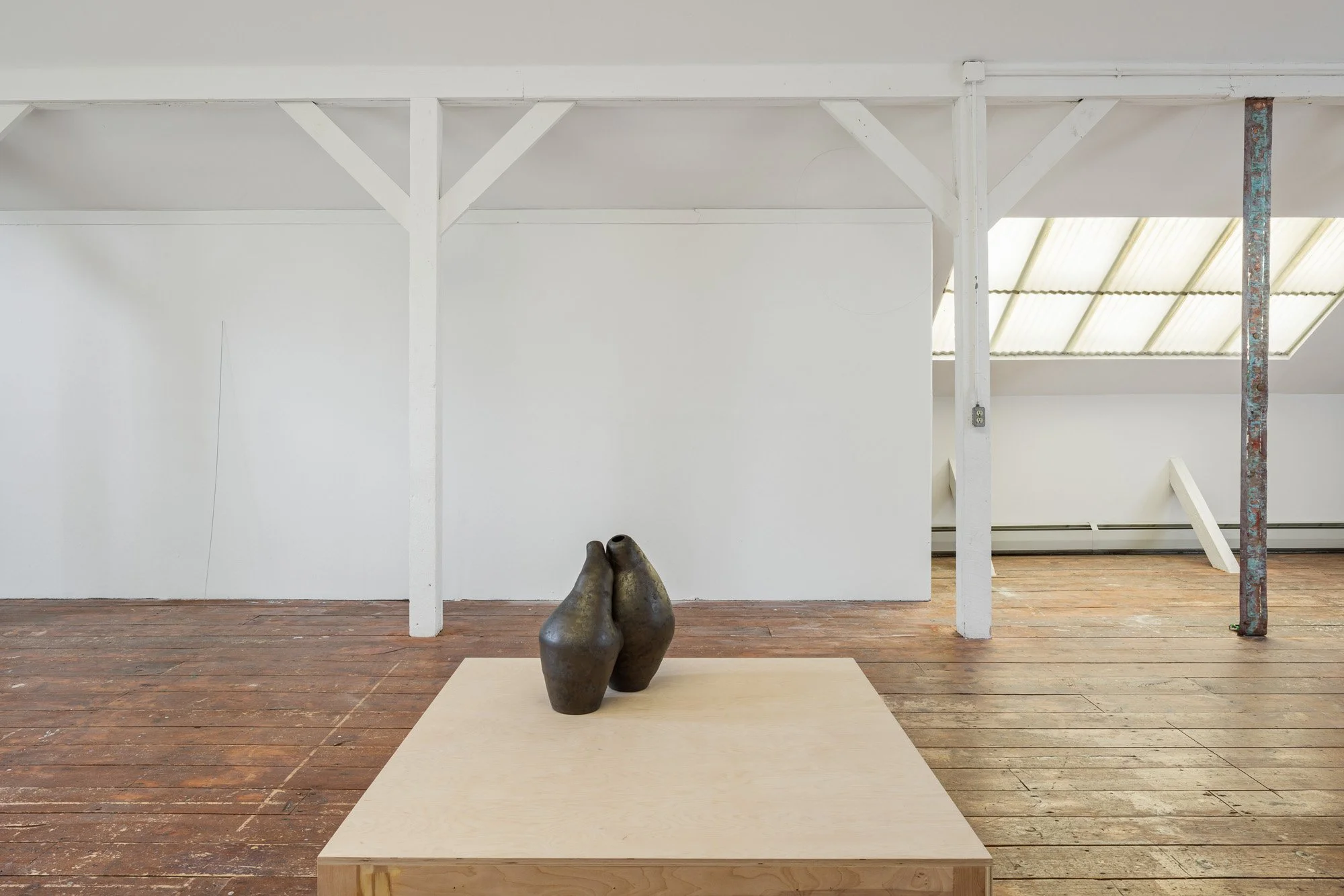
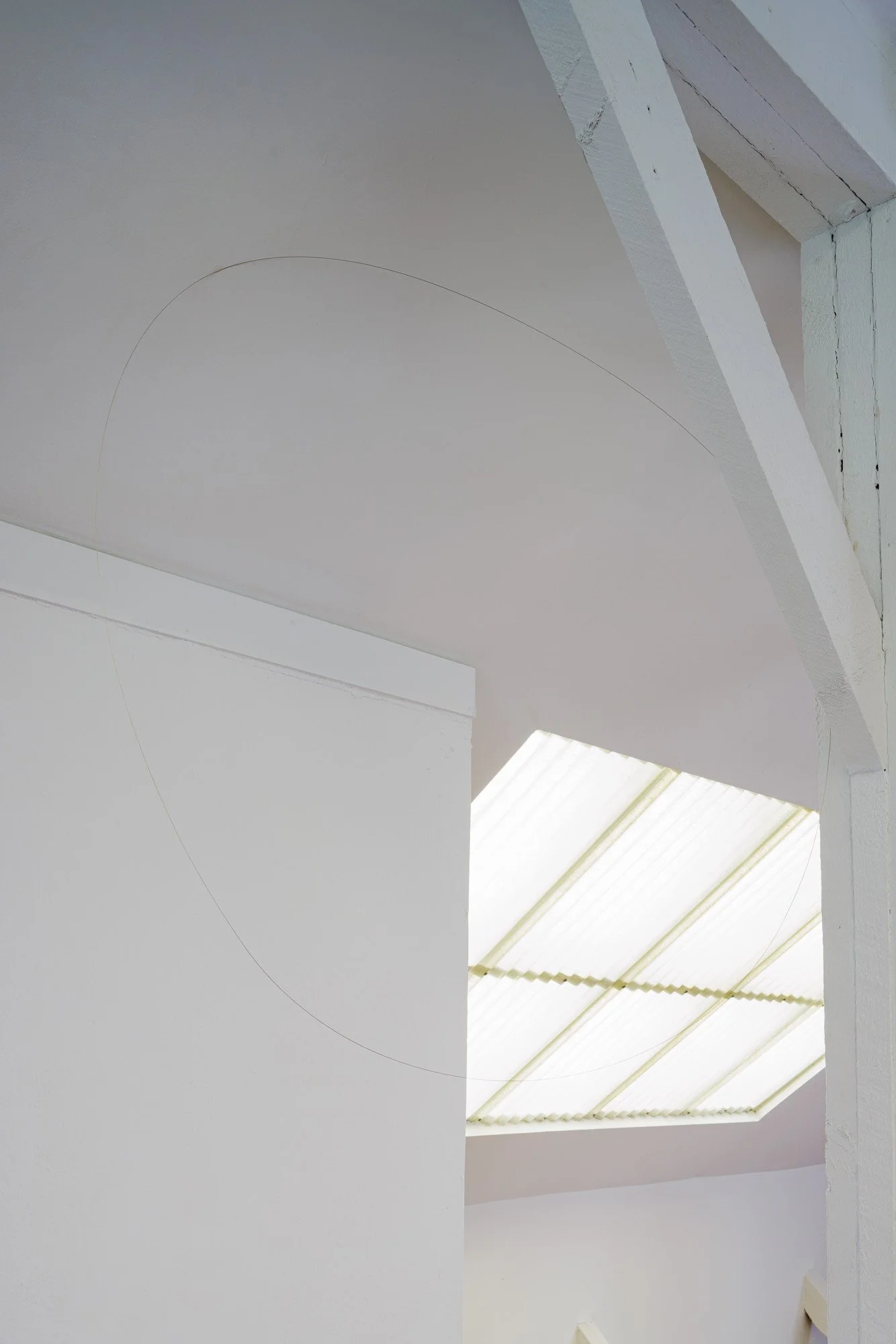
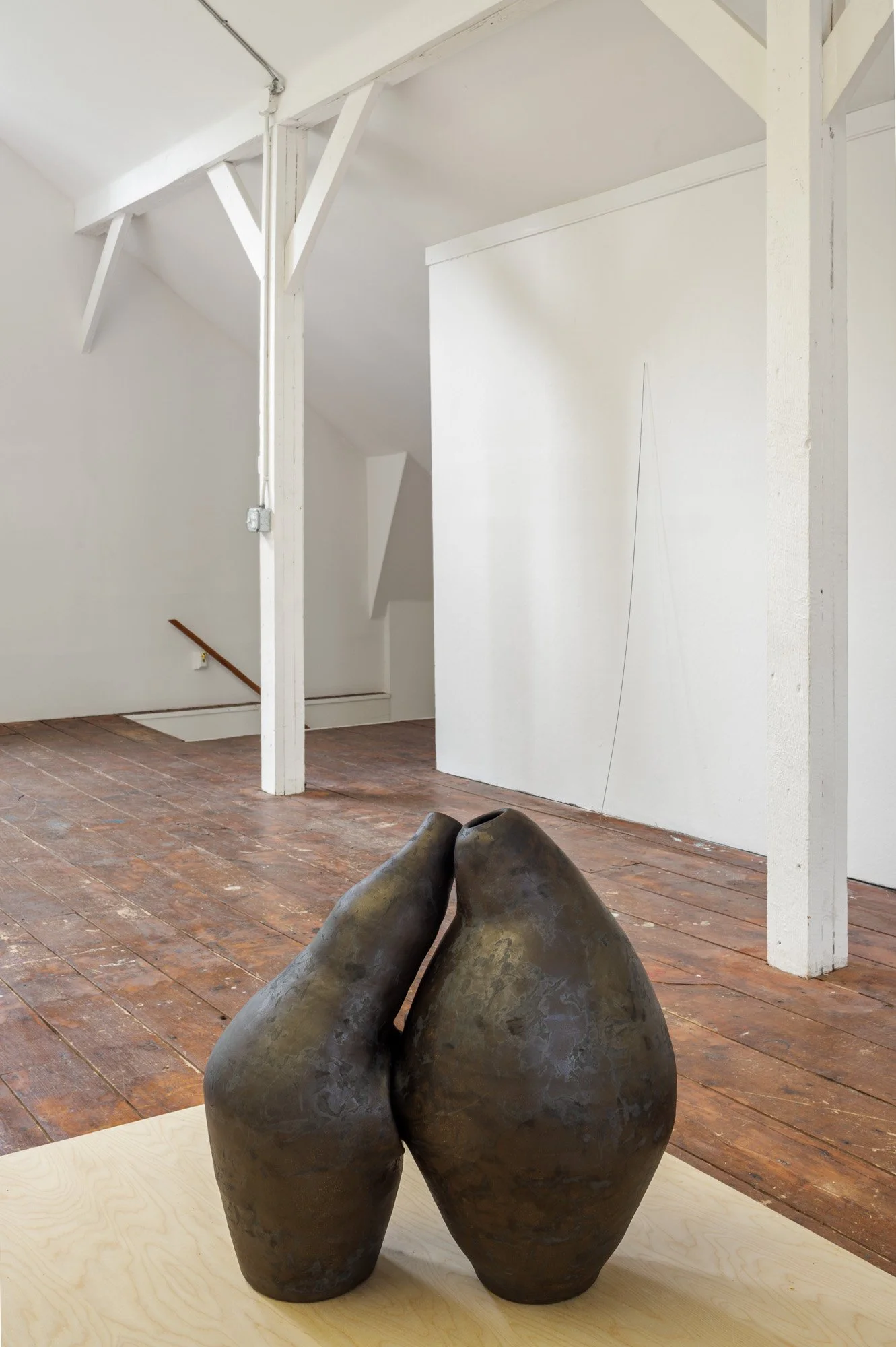
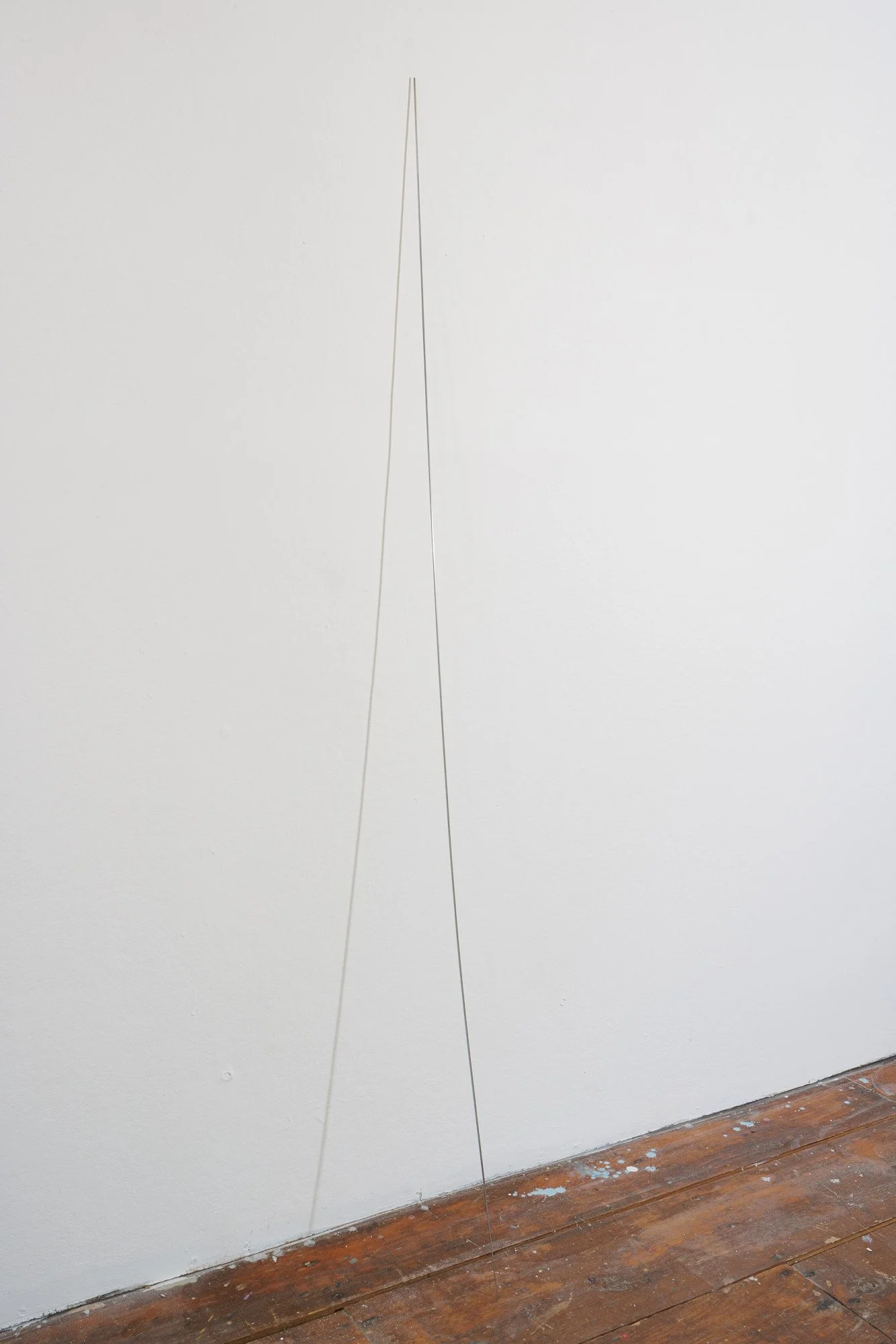
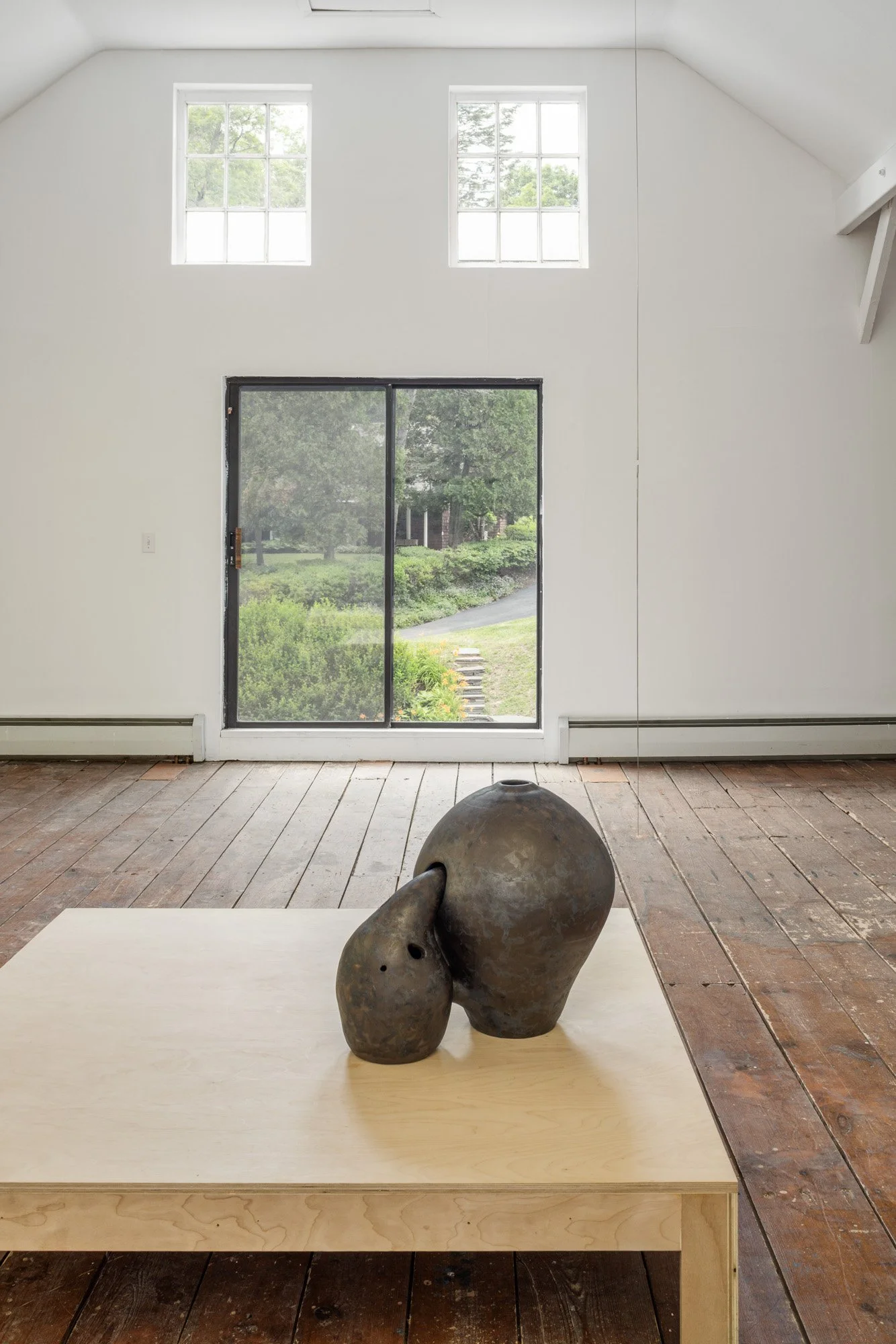
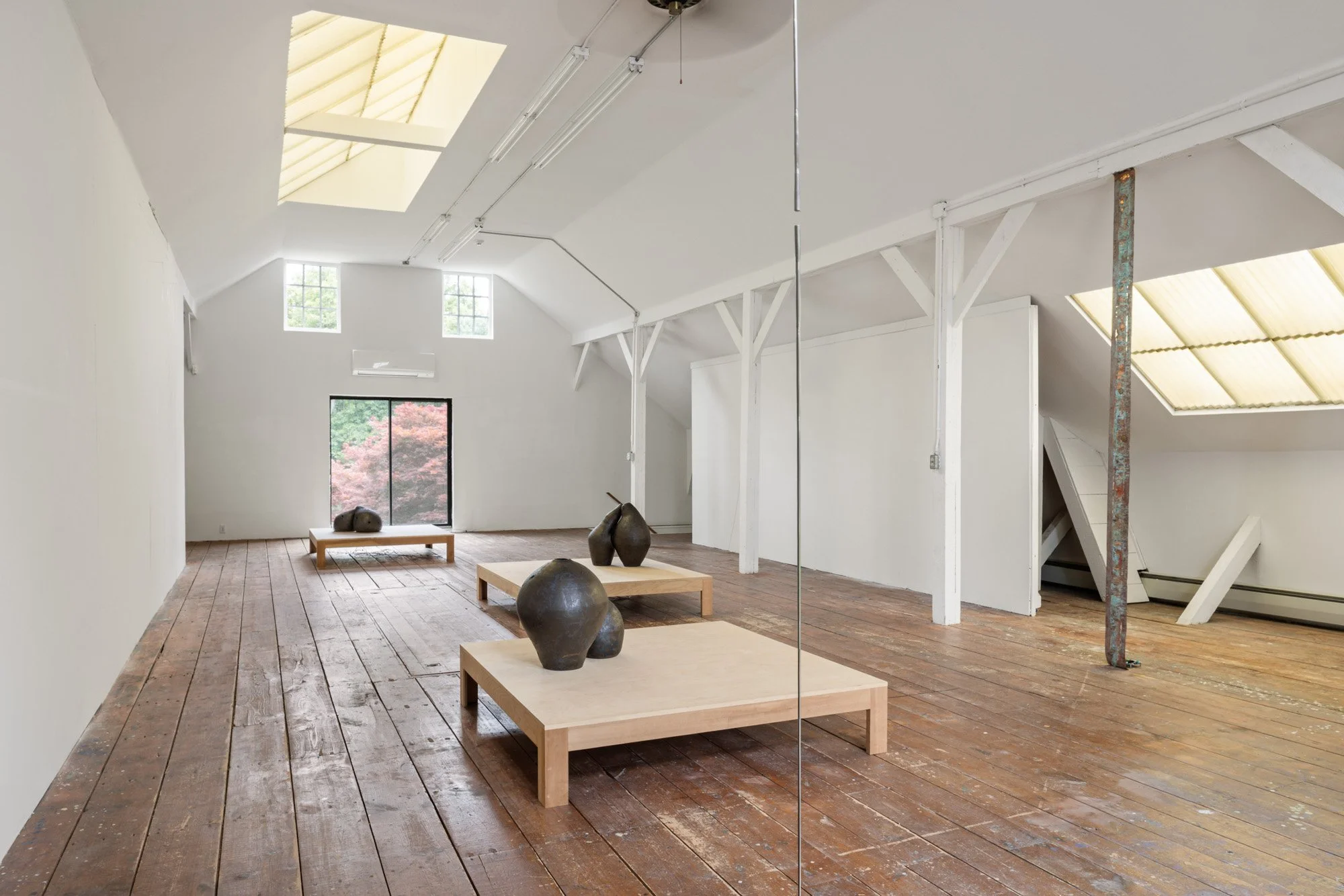
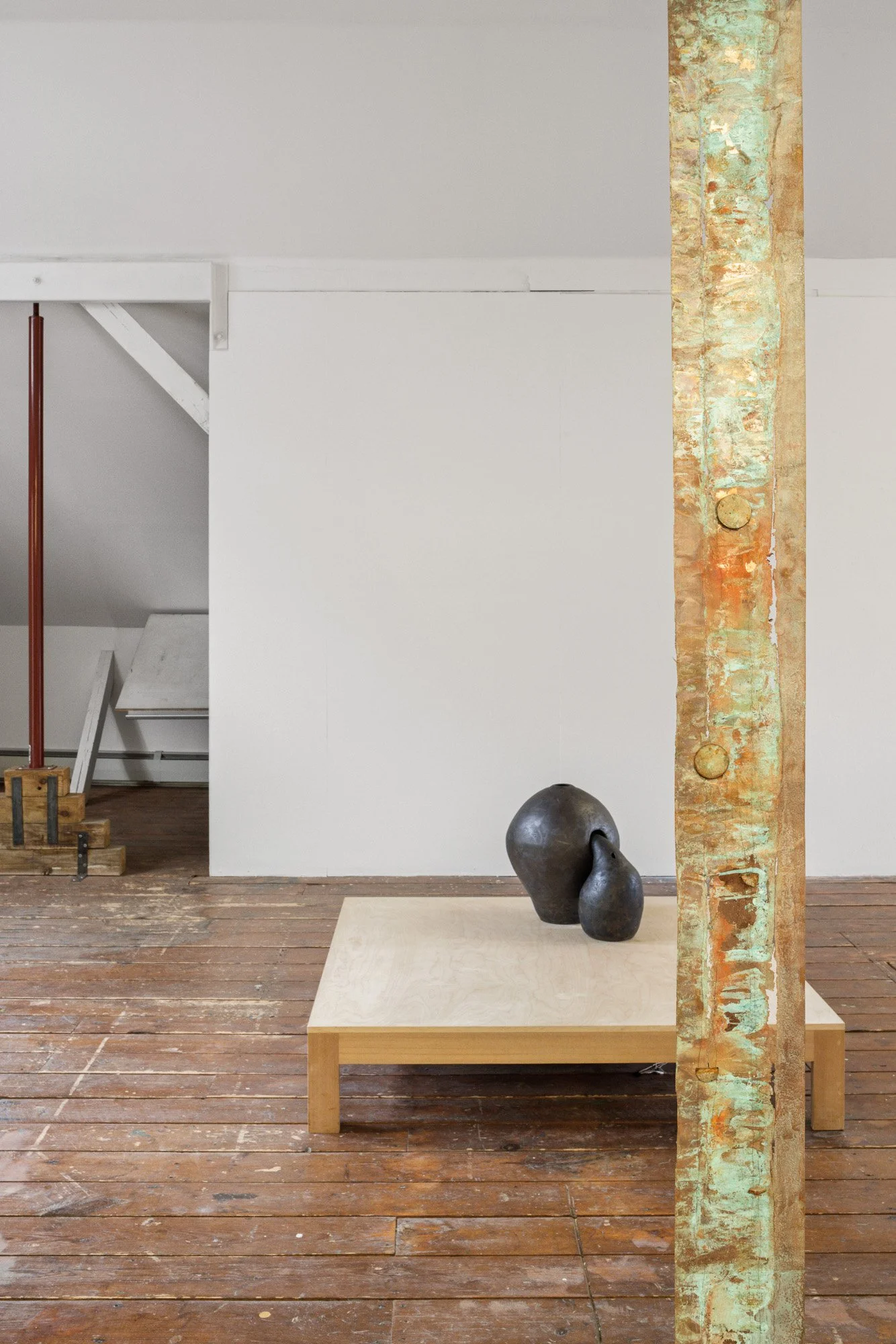
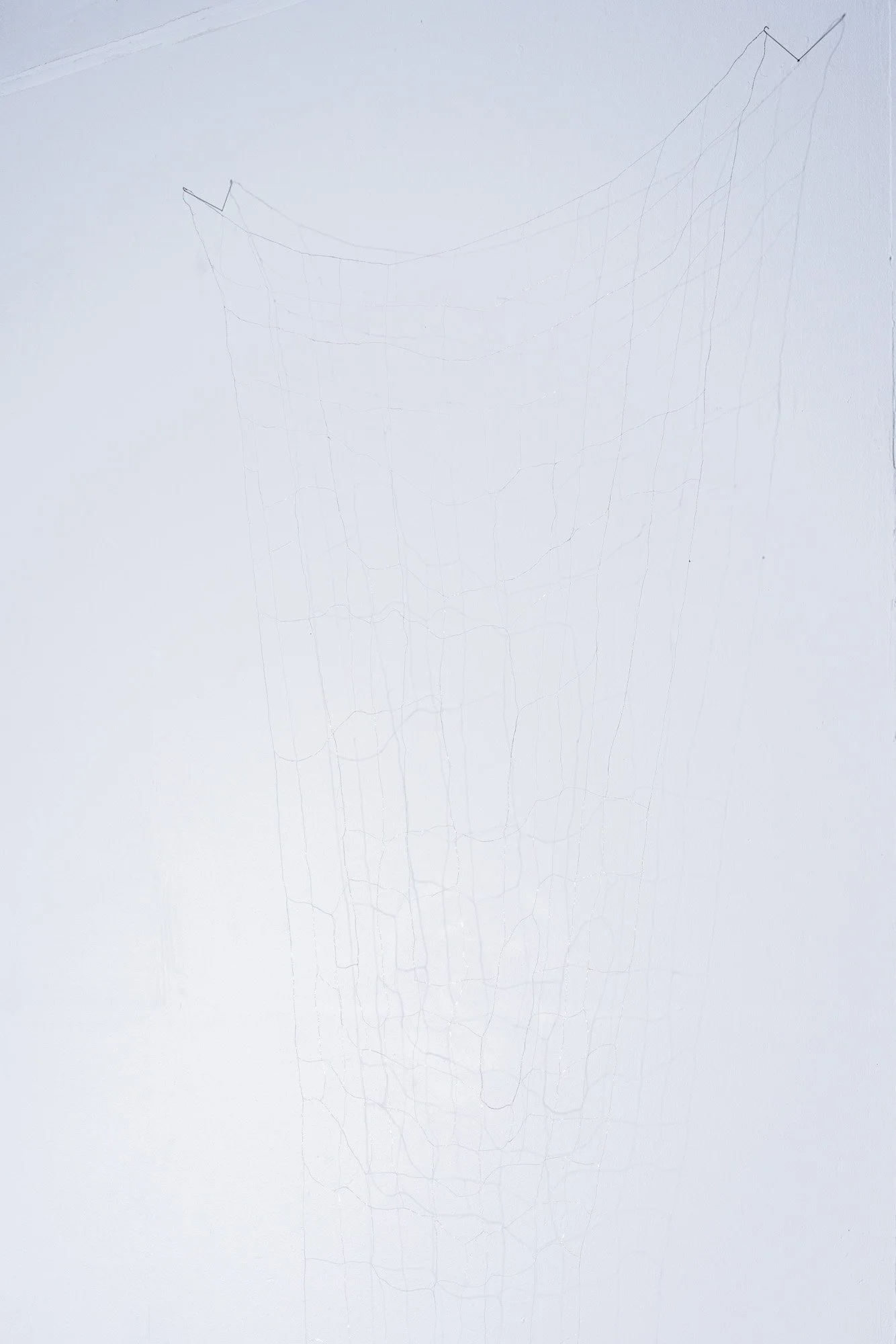
Julianne Swartz, Intervessel (shielding), 2026, unglazed stoneware, copper, electronics, sound generated from the objects, 22 x 22 x 14 inches and Void Weave (lost grid), 2023, copper filament, 99 x 36 x ½ inches. Image courtesy the artist. Photo credit: Radiant Gradient
CLICK HERE to schedule your visit.
CLICK HERE to view the exhibition.
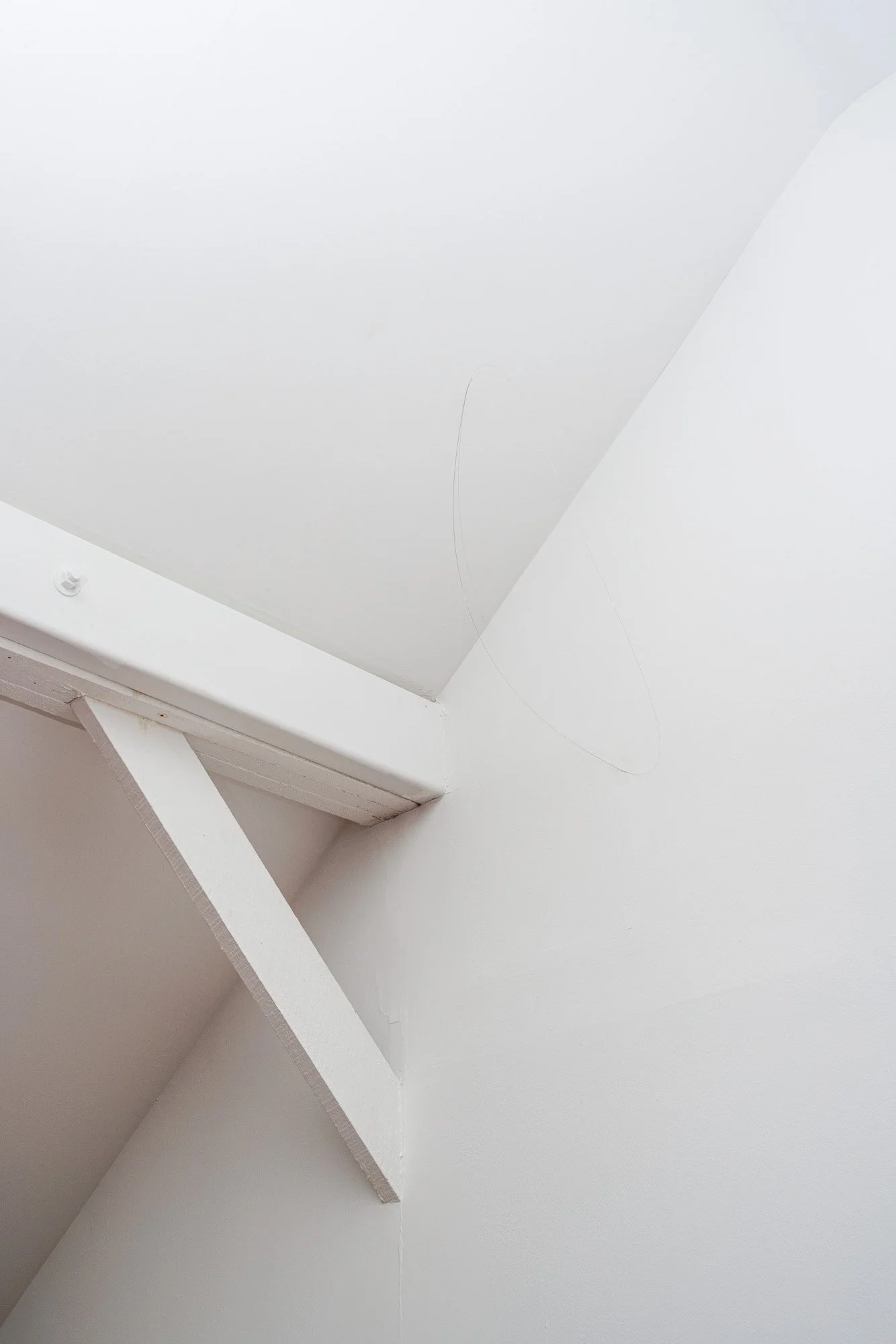
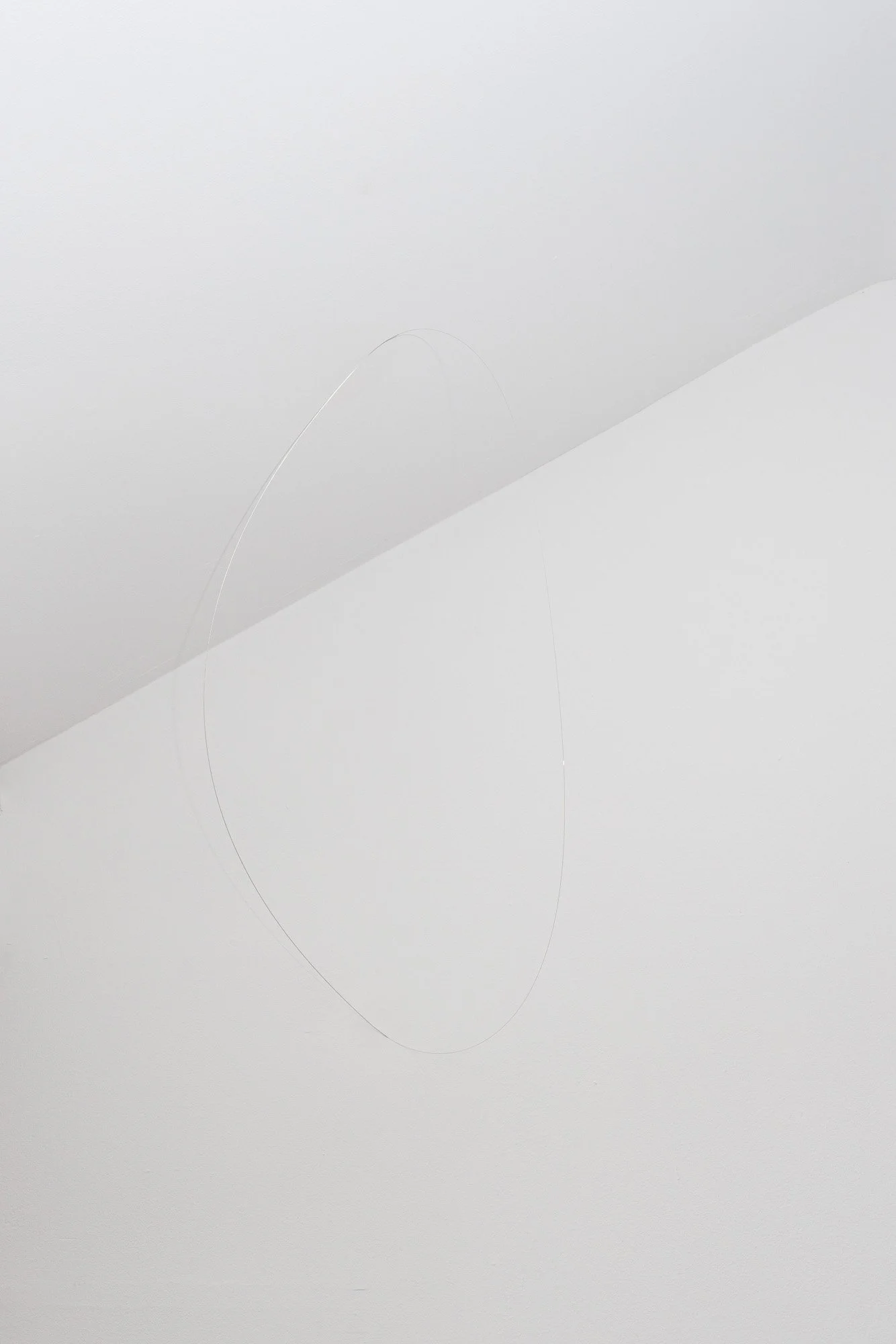
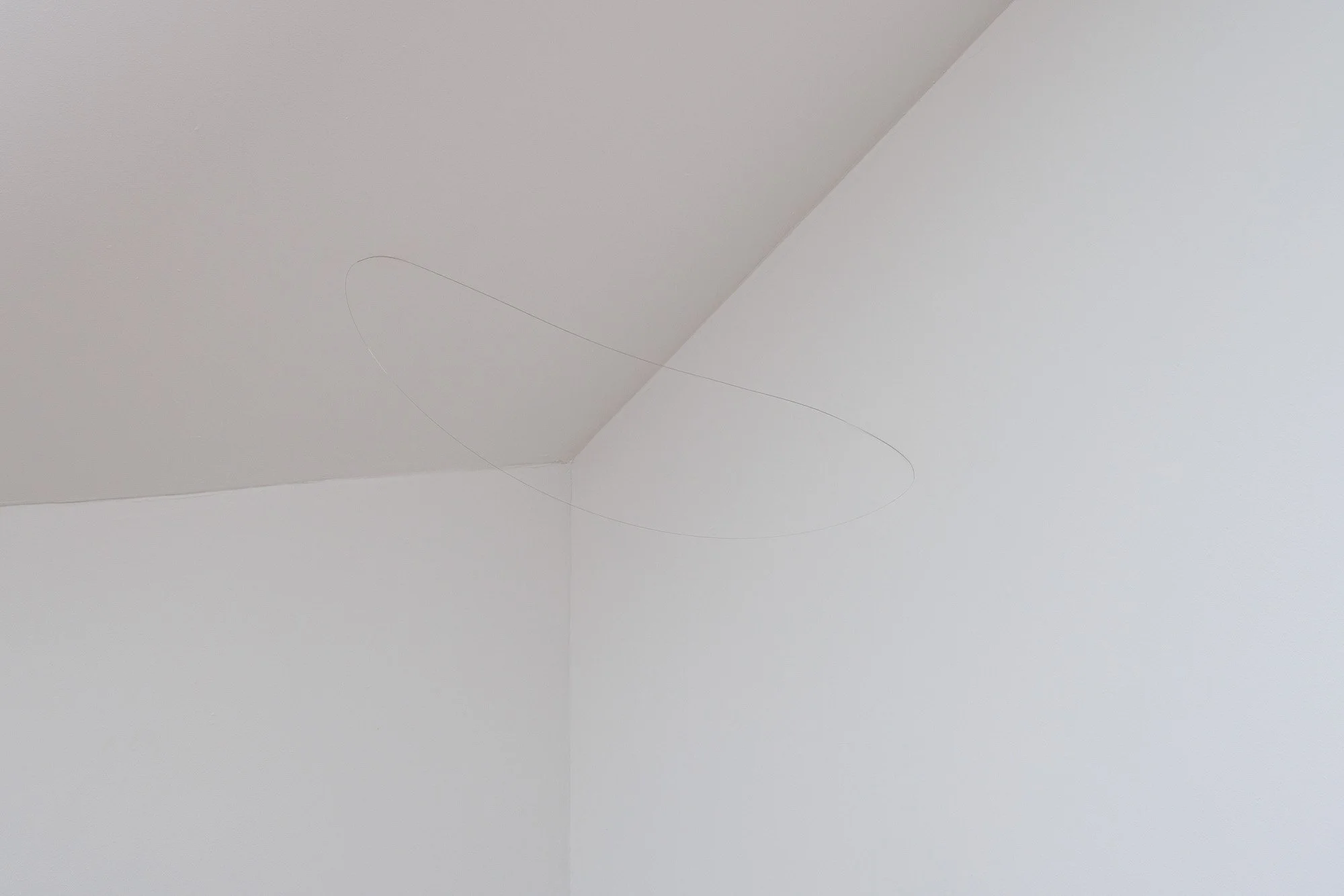
River Valley Arts Collective is pleased to present Attunements, a solo exhibition by Julianne Swartz at the Al Held Foundation, opening during UPSTATE ART WEEKEND and on view from June 26 through August 15, 2026. Curated by Liz Munsell, the presentation includes a series of corpulent ceramic and copper vessels alongside works made with fine metal filaments that are nearly imperceptible. Intertwined in conjoined pairs, the vessels are activated with resonant frequencies, which permeate the space with sonic and physical stimuli. Meanwhile, orb-like and linear wire constructions and weavings silently adhere to the architecture of the space, playing with light and gravity as a material. Together, these works foster an openness to discovery of even the slightest visual, auditory, or haptic presence. Vibrations can be felt in the air and the surrounding architecture, conjoining inanimate volumes and living bodies visiting the room.
In each Intervessel pairing, two ceramic volumes are fused into one unit—not materially, but via soundwaves. What generates their sound is exchanges of air that create unique, resonant tones inside each vessel’s hollowed forms. We listen and attune ourselves to their shifting tonalities while we take in the same oxygen. The specificities of their biomorphic cavities—their curvatures and dimensionality, the density of their walls and vacuousness of their openings—enter into a backforth via soundwaves that bounce off their undulating surfaces. Swartz repeatedly fires her clay vessels draped in thin layers of copper (also a terrestrial material), which spreads and fuses into metallic patternings that read like electrified lichen. Copper, of course, is the prized conductor found in speaker systems, and here it intensifies the passage of sound throughout these earthen amplifiers.
Swartz uses a feedback process, essentially recordings of the vessels speaking to each other on repeat, to locate the bespoke tone produced inside each vessel—its audible fingerprint. No sound from outside the vessel itself is introduced, thus each interlocking pair functions as a two-chambered instrument with its voices operating in tandem. The layering of these tones generates harmony, dissonance, and sometimes percussive interference patterns. The largest vessels naturally generate low frequencies, viscerally felt in the body as pulsing vibrations. As the ear adapts, each Intervessel’s individual sounds blend into a single rhythmic composition that emanates first from their singularities, then into their physical interactions, then the gallery space, and our presence within it.
In Attunements, three Intervessel pairs perform their tones intermittently to generate a dynamic, ever shifting soundscape replete with palpable vibrations. According to Swartz, they function as “instruments in multiple senses of that word—musical, scientific, medical, and mechanical. The low frequency vibrations can be felt viscerally. The sounds shift the nervous system into different states of awareness, and extreme material variations—density and immateriality—hone visitors’ attention to an ultra perceptive threshold.”
We often think of conjoining in a strictly material sense—as if forces beyond what is visually and tactically perceptible do not govern our world. While the Intervessels highlight sound and alchemy as unitive powers, Swartz’s suspended Zeros and Void Weaves utilize copper and steel filaments to resensitize us to our surrounding environment. Floating at the edge of imperceptibility, the encounter of these works activates a lost sense of awe. The light, magnetism, and other earthly experiences that enable our everyday lives are stunning, even mystifying, despite our increasing incognizance toward them. These subtle installations cultivate perceptual sensitivity, sensory activation, and interactions between senses that are increasingly switched off in our predominately visual and virtual quotidian slogs. Both bodies of work are line drawings that focus our attention on our ability to exist with, and even mentally hold, empty space for just a moment. The promotion of sensory attunements—the opportunity to come back into our bodies and locate a feeling of sensitivity to small stimuli—is nothing short of a rarity. In an age of artificial intelligence’s mindless pursuit of power and all-knowingness, Swartz’s work reminds us that states of suspense, unknowing, and wonderment are the purest sites of connectivity.
JULIANNE SWARTZ makes sculptures and site-specific installations that synthesize sound, light, energy, and matter into opportunities for embodied attention. Her work invites tactile, auditory, and affective engagement, attuning viewers to unseen forces and making immaterial energies perceptible. Recent exhibition venues include the Scottsdale Museum of Art, Scottsdale, AZ, Bozar Arts Center, Brussels, BE and the Grey Art Museum, New York, NY. Past exhibition venues include Tate Liverpool Museum, Mass MoCA, the Highline, NYC, the Whitney Museum of American Art (2004 Biennial exhibition), the New Museum, the Jewish Museum, NY, and MoMA PS1. Awards include the Foundation for Contemporary Arts Fellowship in Music and Sound, Anonymous Was a Woman Award, American Academy of Arts and Letters Artist Fellowship, Joan Mitchell Foundation Award for Painters and Sculptors, and New York Foundation for the Arts Fellowship in Sculpture. Julianne lives and works in Stone Ridge, New York. She is on the faculty at Bard College and serves on the board of Governors for the Skowhegan School of Art.
The Al Held Foundation is not open to the public, however pre-scheduled and by-appointment guided and self-guided tours are available. Sign up for a tour of the exhibition using Calendly. Note, if you would like to make an appointment outside scheduled tour times or if your preferred time is booked, email us: info@RVACollective.org.